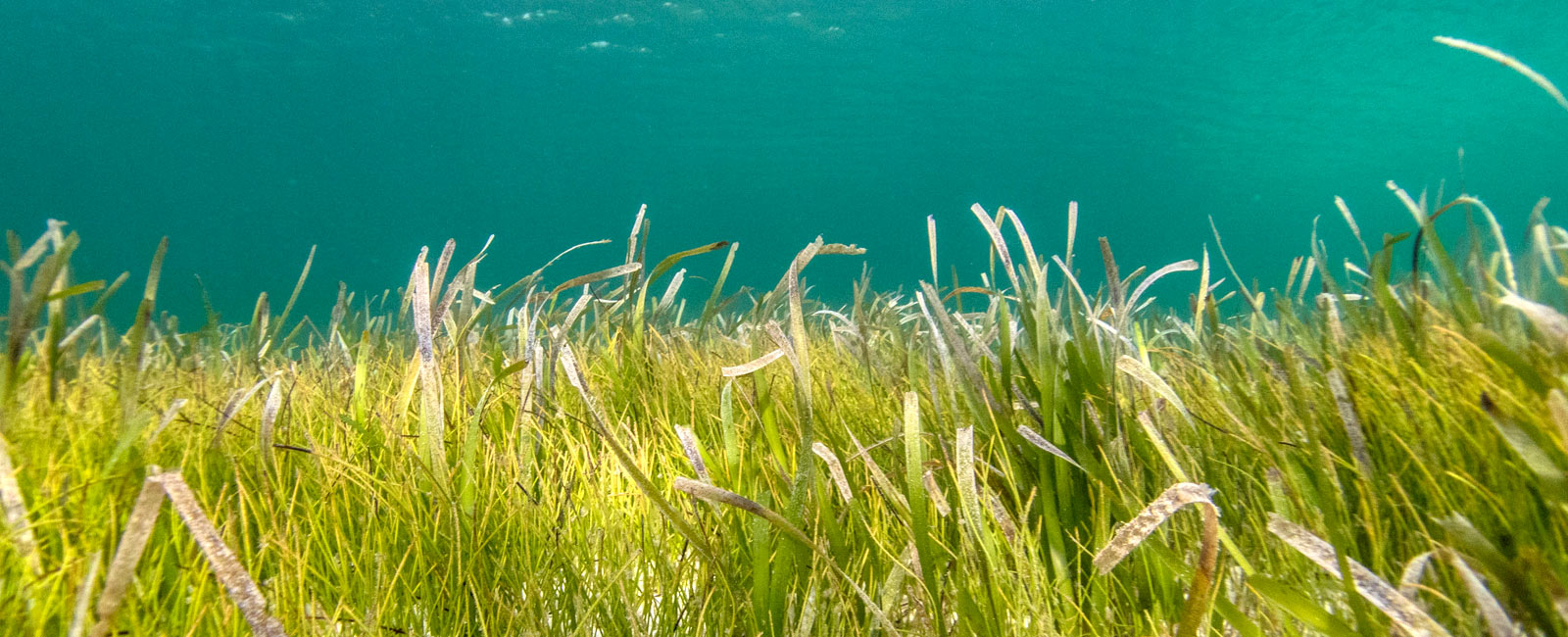
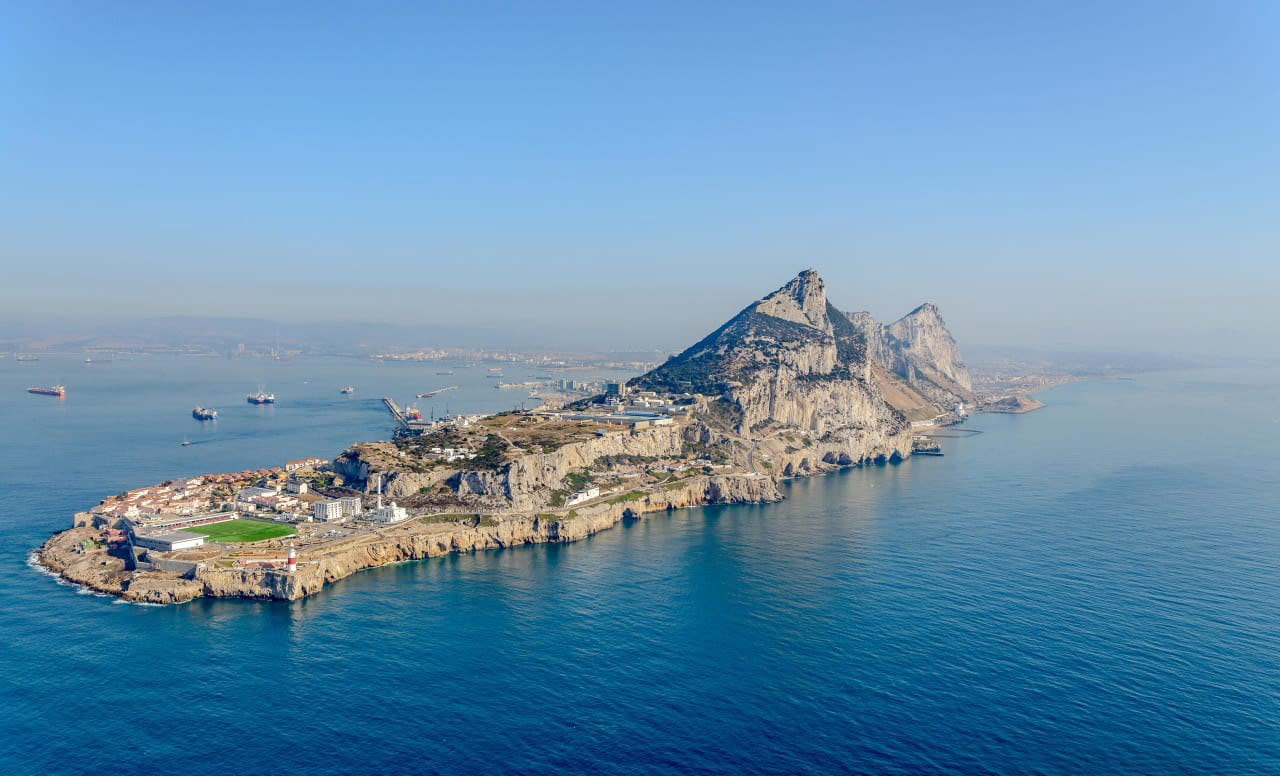
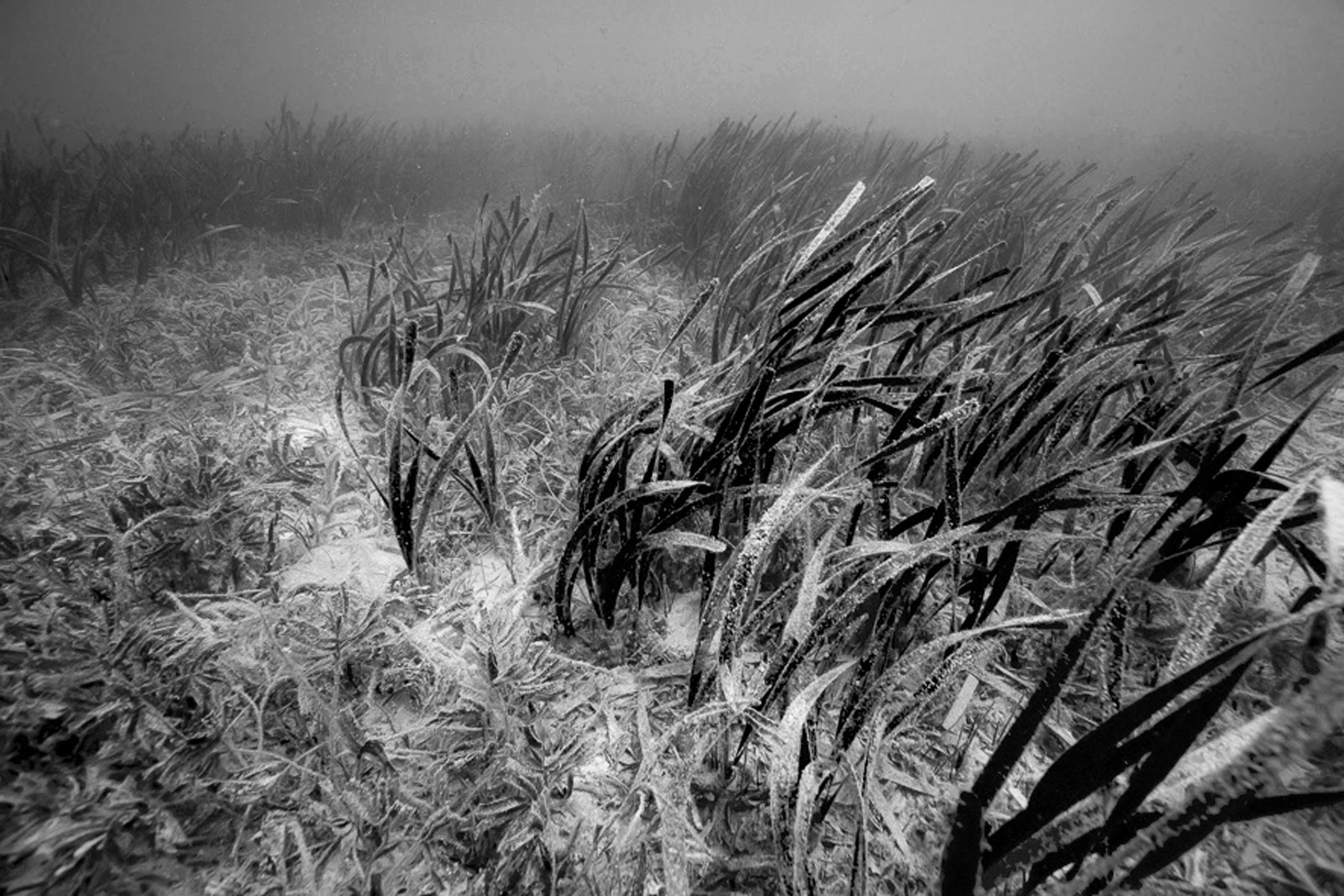
For centuries, the waters surrounding Gibraltar supported extensive and ecologically important seagrass meadows. These underwater flowering plants, dominated by Zostera marina (eelgrass) and Posidonia oceanica, formed one of the most unique marine habitats in the Mediterranean and eastern Atlantic region. Historical records show that these meadows once flourished throughout the Bay of Gibraltar, supporting marine biodiversity while stabilising sediments and improving water quality.
Positioned at the meeting point between the Atlantic Ocean and the Mediterranean Sea, Gibraltar represented the geographic overlap of two globally significant seagrass species — making the area exceptionally important from both an ecological and scientific perspective.
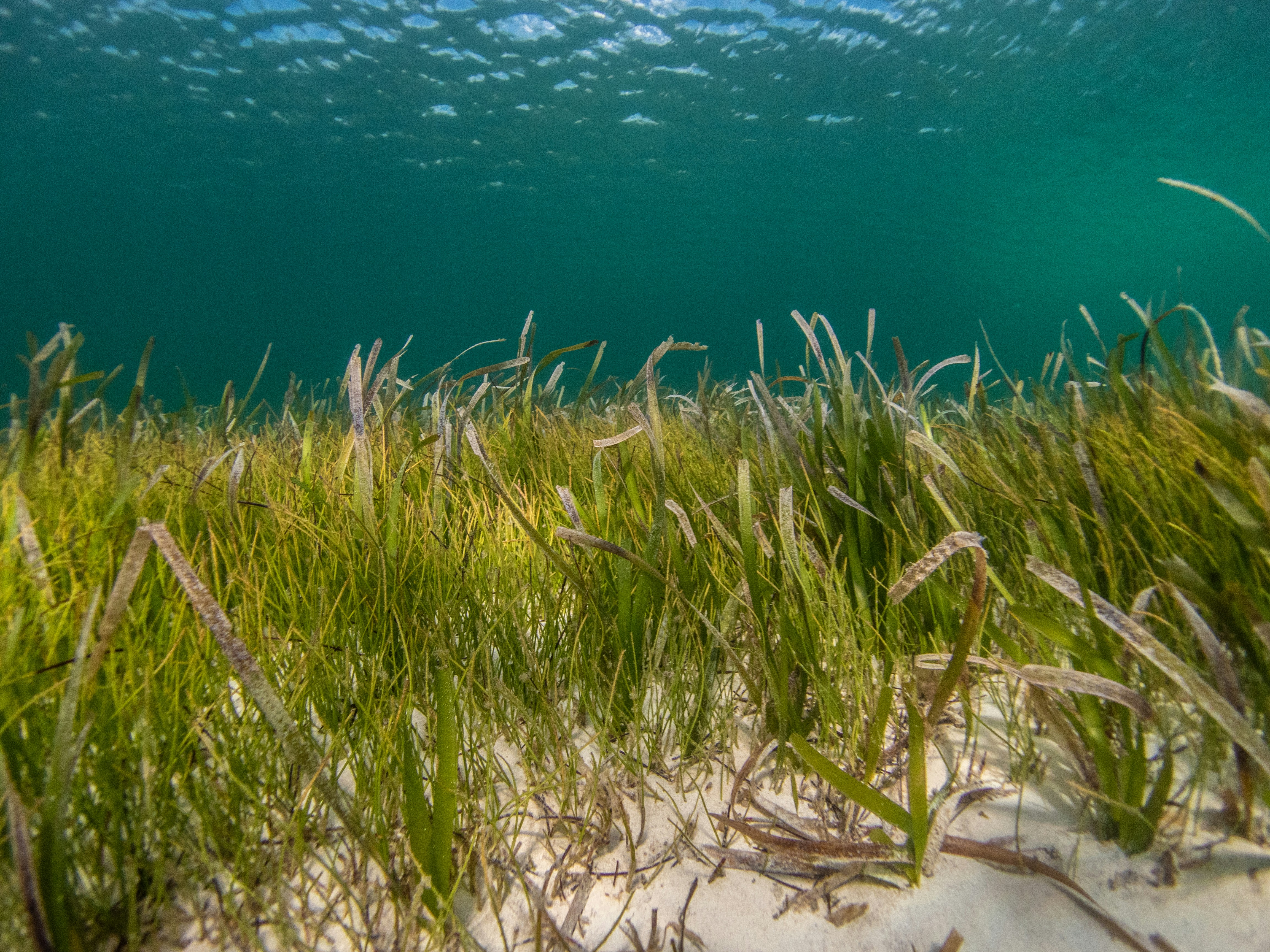
Seagrass ecosystems are among the most valuable coastal habitats on Earth. They function as breeding grounds and nurseries for numerous fish and invertebrate species while also playing an essential role in carbon sequestration, nutrient cycling and coastal protection. Healthy seagrass meadows improve water clarity by trapping suspended sediments and reducing coastal erosion through stabilisation of the seabed.
The importance of seagrasses extends beyond biodiversity alone, as they are increasingly recognised globally for their contribution to climate resilience and the long-term health of marine environments.
Seagrass meadows form the ecological foundation for productive coastal ecosystems, supporting a rich diversity of marine life including fish, invertebrates and countless other species.
Increasingly recognised globally for their contribution to climate resilience and the long-term health of marine environments.
Healthy meadows improve water clarity by trapping suspended sediments and reducing coastal erosion through stabilisation of the seabed.
Critical feeding and breeding grounds for numerous commercially and ecologically important fish and invertebrate species.
Historically, Gibraltar's seagrass meadows were particularly significant because they existed at the extreme geographic range of both Zostera marina and Posidonia oceanica. The 1993 survey conducted by Eric Shaw documented extensive seagrass coverage around Gibraltar, particularly within the Bay of Gibraltar and surrounding harbour areas.
However, the environmental pressures affecting Gibraltar's coastline had already begun many decades earlier. Coastal engineering works associated with military expansion, harbour development and land reclamation had progressively altered marine habitats since the late nineteenth century. These impacts intensified throughout the 1970s and 1980s as industrial activity and urbanisation expanded across the bay.
The most alarming evidence of decline emerged in 2010 with the publication of Recent Loss of Gibraltar Seagrasses by Bull et al. Researchers revisited previously recorded seagrass locations and found that the meadows had effectively disappeared from Gibraltar waters. Despite extensive surveys of known habitats, no substantial populations of either Zostera marina or Posidonia oceanica could be located. The study concluded that widespread seabed disturbance, dredging, land reclamation and declining water quality were the most likely causes of the collapse. The destruction of rhizome systems through direct human activity, combined with increased turbidity and sedimentation, likely prevented natural recovery from occurring.
The disappearance of Gibraltar's seagrass meadows represented far more than the loss of underwater vegetation — it marked the collapse of a complex marine ecosystem that once supported biodiversity throughout the Strait of Gibraltar.
As a rare overlap zone between Atlantic and Mediterranean seagrass communities, Gibraltar served as an ecological bridge between two major marine regions. The loss of these habitats reduced ecological connectivity and removed critical nursery and feeding grounds for numerous marine species. Furthermore, the disappearance of Gibraltar's seagrasses reflected the wider global decline of seagrass ecosystems occurring across many coastal regions worldwide.
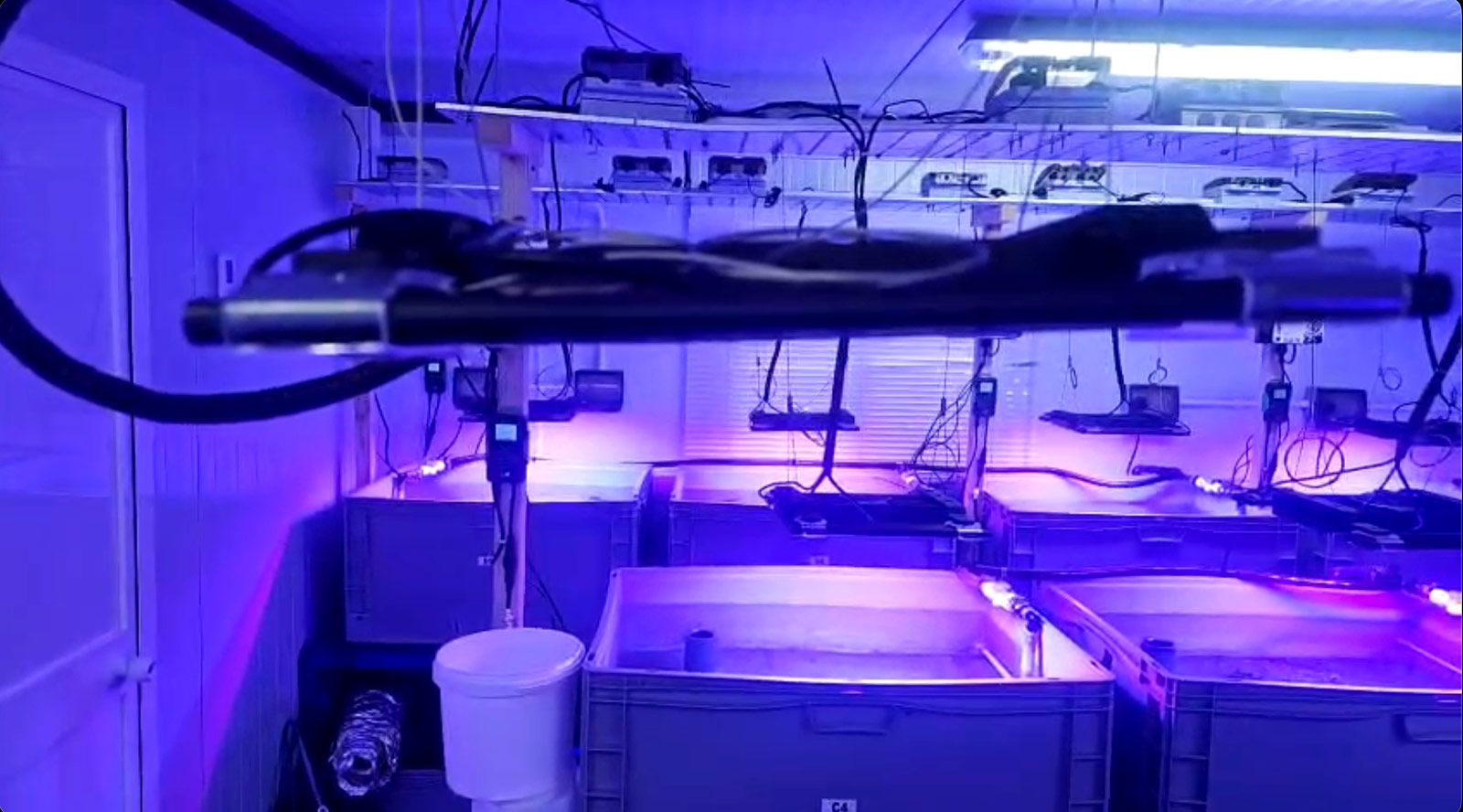
In response to this ecological loss, The Nautilus Project established and now leads the Gibraltar Seagrass Restoration Project — one of the most ambitious marine habitat restoration initiatives currently taking place in the region. The project was created with the aim of restoring seagrass meadows to Gibraltar's coastal waters while simultaneously advancing scientific understanding of seagrass restoration techniques and rebuilding public awareness of the importance of healthy marine ecosystems.
The project is focused not only on replanting seagrass, but also on rehabilitating the wider marine environment necessary for long-term ecosystem recovery. Restoration efforts involve the cultivation and transplantation of seagrass into suitable habitats alongside ongoing monitoring of environmental conditions such as water quality, sediment stability and biodiversity recovery. By restoring seagrass meadows, the project seeks to improve coastal ecosystem resilience, increase marine biodiversity and help re-establish the ecological functions once provided by these habitats.
Supported by leading institutions committed to marine conservation.



The initial funding that enabled the Gibraltar Seagrass Restoration Project to begin was provided through the Darwin Plus Scheme, a UK government programme supporting environmental conservation across the Overseas Territories. Through this funding, The Nautilus Project was able to initiate baseline ecological assessments, construct nursery infrastructure and begin the first stages of experimental restoration work.
Following the completion of the Darwin Plus funding period, the continuation and expansion of the project has been supported by Peninsula 360. This ongoing support has allowed The Nautilus Project to maintain restoration activities beyond the initial pilot phase and continue developing long-term conservation objectives.
The Nautilus Project is working closely alongside the University of Malta in ongoing research efforts aimed at improving seagrass restoration methodologies. Researchers continue to refine methods for seed collection, nursery propagation and transplantation while investigating how environmental variables such as temperature, sediment composition and hydrodynamics affect restoration outcomes.
Beyond its scientific importance, the project also plays an important educational and community role. Through volunteer involvement, student placements and public outreach activities, The Nautilus Project is helping to raise awareness of marine conservation and inspire greater public engagement with Gibraltar's coastal ecosystems — fostering a stronger culture of environmental stewardship within the community.
The restoration of Gibraltar's seagrass meadows is not simply about returning plants to the seabed — it is about restoring biodiversity, improving ecosystem health and creating a more resilient marine environment for future generations.
Donate