Welcome to The Nautilus Project (TNP), a remarkable haven situated along the sun-kissed southern coast of Europe, nestled in the breathtaking embrace of Gibraltar! As you step into this world of wonder, prepare to embark on an extraordinary journey that transcends the ordinary — an exploration of the enigmatic marine wonders that flourish within our majestic gateway: The Strait of Gibraltar, where the azure Mediterranean seamlessly embraces the boundless expanse of the Atlantic Ocean.
Meet Lewis Stagnetto, the visionary co-founder of TNP, whose unwavering passion for marine science has ignited a remarkable odyssey that spans continents and oceans. From the mesmerising London Aquarium to the vibrant shores of Gibraltar, he and his dedicated team are now redefining the very essence of marine research and conservation. Here, it's not just about the science — it's about connecting hearts to the rhythm of the oceans, fostering a profound understanding of our aquatic world.
Are you ready to dive headfirst into a world of hands-on discovery, where every moment unveils a new layer of marvel? At TNP, we don't believe in passive observation; we empower you to become an integral part of our quest for knowledge. You'll find yourself collecting crucial data from both land and sea, learning to decipher the stories the ocean's depths hold, and contributing meaningfully to the preservation of these invaluable ecosystems.
As an intern at TNP, you're not merely checking off a list of tasks; you're seizing a transformative opportunity that transcends traditional notions of internships. Imagine coming face-to-face with the diverse marine species that inhabit these waters, forging connections that spark a lifelong devotion to their preservation.
Welcome to The Nautilus Project, where dreams of marine exploration unfurl their sails and set course for reality, and where your journey to becoming a true marine scientist begins amidst the splendour of Gibraltar's coast.
— Lewis Stagnetto, Chief Biologist and Director
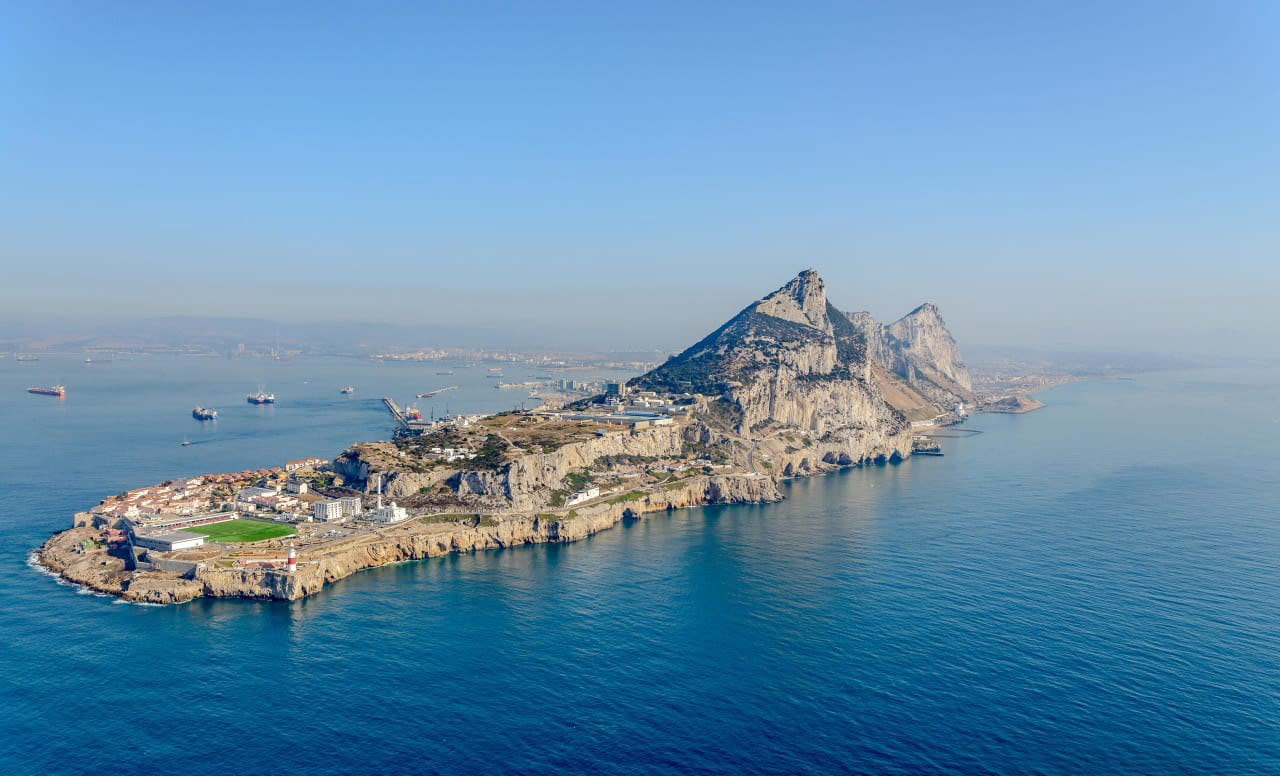
In 2016, Gibraltar's coastline witnessed the birth of a transformative endeavour: The Nautilus Project (TNP). Co-founded by marine biologist Lewis Stagnetto, TNP has emerged as a groundbreaking centre for education, conservation, and research, bridging the gap between science and public awareness.
Stagnetto's passion for marine life ignited during his time in London, where aquarium wonders kindled a vision. He and his wife Melanie embarked on a mission to create a space where marine science could be experienced firsthand. TNP aimed not only to educate but also to inspire stewardship for the oceans.
TNP's essence lies in hands-on involvement through our catch, learn and release (CLR) strategy. It offers participants the chance to be active contributors rather than mere observers, emphasising real research experiences. From data collection at sea to laboratory analysis, interns gain a comprehensive perspective on marine research, setting TNP's approach apart.
This vision didn't confine itself to Gibraltar's shores. TNP's impact rippled globally, with insights gained from its flagship citizen science platform NEMO resonating in scientific presentations, public engagements, and professional circles. The project's dedication extended beyond local waters, advancing marine conservation on a broader scale.
Unveiling the Oceanic Crossroads of Discovery
Stretching merely 14 kilometres at its narrowest point, the Strait of Gibraltar is a natural channel that connects the Mediterranean Sea to the Atlantic Ocean. Its strategic location between Europe and Africa has endowed it with a unique blend of marine currents, temperature gradients, and biological diversity, making it an unparalleled site for scientific investigation. Few locations hold the same significance for marine biology and oceanography — this narrow passage not only separates continents but also serves as a nexus of ecological and oceanographic marvels.
The Strait functions as a hydraulic funnel, channelling water masses from the Atlantic to the Mediterranean and vice versa. The Atlantic Inflow carries warm, nutrient-rich water instrumental in sustaining the Mediterranean's ecosystem, while the Mediterranean Outflow influences the formation of deep water in the Atlantic — with far-reaching effects on global ocean circulation.
The mixing of Atlantic and Mediterranean waters creates a mosaic of habitats, ranging from rocky coastlines to deep-sea trenches. This diversity provides niches for an array of species, from microscopic plankton to apex predators. The strait is a crucial migration route for whales, dolphins, and various fish species.
The convergence of different water masses presents an unparalleled opportunity to study the adaptation of marine organisms to varying environmental conditions. The strait serves as a natural laboratory where scientists can witness the dance of life in response to the ever-shifting rhythms of the ocean.
The Strait of Gibraltar emerges as a sentinel of change. Its currents, temperatures, and marine life are sensitive indicators of larger shifts in oceanic and atmospheric dynamics. By studying these changes, scientists gain insights into the impacts of global climate change on both local and global ecosystems.
The Strait of Gibraltar has become a beacon for scientists and researchers from around the world. Oceanographers delve into its currents, marine biologists meticulously catalogue the intricate web of life, and conservationists work to safeguard its delicate balance. It's a place where theoretical knowledge and practical applications converge — shaping our understanding of marine ecosystems and guiding efforts to preserve their vitality.
Nestled at the heart of The Nautilus Project's research programme lies a profound mission: to uncover the mysteries of marine life and ecosystems while nurturing a deep commitment to their protection. TNP's research initiatives transcend conventional boundaries, harmonising hands-on experiences, global influence, and an unwavering dedication to advancing marine science.
Central to TNP's research pursuits are pioneering sampling techniques that propel exploration into uncharted marine territories. TNP's interns aren't passive observers but active participants, engaged in a dynamic interplay between fieldwork and laboratory analysis. Under the guidance of seasoned researchers, they venture onto the seas and coasts, gathering vital data using an array of modern scientific tools.
From deploying conductivity, temperature and depth probes (CTDs) to diving into the depths, TNP's sampling techniques encompass a diverse array of methodologies — enabling interns to capture a panoramic view of marine life, from minuscule plankton to majestic marine mammals. Such immersive experiences foster a profound connection to the marine environment and ignite a sense of responsibility for its well-being.
TNP's research programme functions as a mosaic of techniques that collectively illuminate the intricate tapestry of marine ecosystems. The programme's multidisciplinary approach encompasses everything from visual analysis of marine phytoplankton species to multi-level water sampling profiles — enabling TNP to confront the intricate challenges that our oceans face.
TNP's research findings reverberate globally, shared through scientific presentations, public engagements, and participation in international events — advancing our collective understanding of marine life and underscoring the significance of innovative sampling methodologies.